March 20, 2026
Household appliances play a crucial role in our daily lives, making various tasks more convenient and efficient. However, like all mechanical items, they are prone to breaking down over time. This article explores the most common household appliances that tend to malfunction and offers insights into why these issues occur, as well as tips for prevention and repair. By understanding these common issues, homeowners can better prepare for and manage repairs. Careful maintenance and timely intervention can prolong the lifespan of appliances and enhance household efficiency.
The Vulnerability of Refrigerators
1. Common Refrigerator Issues
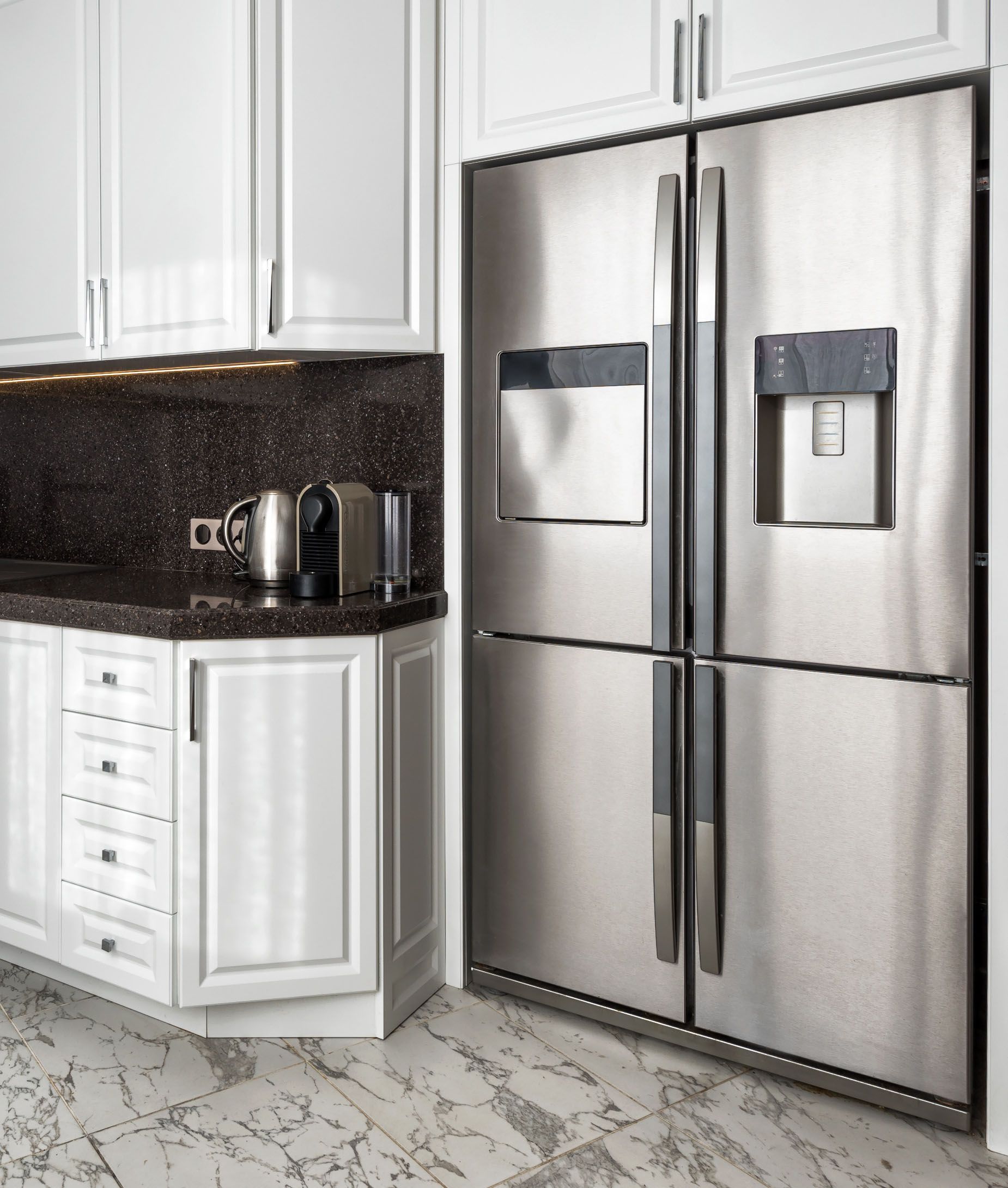
Refrigerators are essential in every modern home, but they are not immune to problems. Common issues include temperature fluctuations, leaks, and noisy operation. A malfunctioning thermostat or compressor often causes temperature issues. Leaks can arise from clogged defrost drains or damaged water supply lines. The noise is usually a sign of a failing compressor or malfunctioning fans.
Understanding these issues is critical for timely intervention. Many homeowners experience frequent problems with the defrost system, which can cause ice buildup. The ice can block air vents and result in inadequate cooling. An improperly sealing door gasket can also lead to inefficiency and increased energy consumption. According to Forbes, the average lifespan of a refrigerator is 12 years, though proper maintenance can easily prolong its utility.
Addressing common issues promptly can prevent larger, more expensive repairs in the future. Routine maintenance, such as cleaning coils and checking door seals, can mitigate many refrigerator problems. Awareness of these common failures helps in scheduling timely checkups and maintenance. Many homeowners may need to weigh the benefits of repair versus replacement. Understanding when to repair or replace depends significantly on the age and efficiency of the unit.
2. Causes of Refrigerator Failures
Refrigerator failures can result from various underlying causes. Mechanical parts like compressors and fans are vital for maintaining the appliance's efficiency. Over time, these components can wear out and cause significant issues. Another common cause is improper refrigerator placement, which can obstruct airflow and cause overheating. Regular power surges and voltage fluctuations can also damage the electrical components of a fridge.
Many of these failures result from neglect or improper use. Overstuffing the fridge can limit airflow, leading to inconsistent cooling. Moreover, failing to clean the coils can cause the appliance to work harder, reducing longevity. Water filter issues are another common cause, as improperly maintained filters can result in leaks or water flow issues. With the average refrigerator lifespan being 12 years, consistent maintenance is vital to avoid premature failures.
Ensuring refrigerators operate optimally requires understanding these causes and how to address them. Simple measures, such as ensuring proper placement and performing regular cleanings, can extend the lifespan of the appliance. Appliances, while durable, require attention to function efficiently. Addressing the identified causes head-on will save on costly repairs and extend the refrigerator's operational life. Regular maintenance and appropriate use are keys to extending a refrigerator's life beyond the average mark.
3. Tips for Refrigerator Maintenance
Regular maintenance is crucial for keeping refrigerators running smoothly. Homeowners should routinely clean condenser coils, typically located at the back or bottom of the unit. Dirty coils force the refrigerator to work harder, reducing efficiency and lifespan. Additionally, checking and maintaining proper door seal integrity is vital. A weakened seal allows cold air to escape, leading to increased energy consumption and reduced efficiency.
Another important maintenance step involves ensuring that refrigerators are adequately leveled. Uneven positioning can cause doors not to seal properly, promoting heat gain. Regularly replacing water filters, if applicable, is crucial for water dispenser and ice maker efficiency. Ensuring proper airflow by not overloading the fridge also contributes to its longevity. Following the manufacturer's maintenance recommendations can greatly help, lengthening the time a refrigerator remains in service.
Adhering to these maintenance tips results in optimal refrigerator performance and prolonged lifespan. These small, manageable tasks can prevent larger issues and mitigate costly repairs. Creating a maintenance schedule helps ensure that these tasks are consistently carried out. Performing regular checks and cleaning duties results in energy efficiency and enhanced functionality. Mindful daily use coupled with regular upkeep helps maximize refrigerator service life.
4. Repair vs. Replacement Considerations
When a refrigerator breaks down, deciding between repair or replacement is crucial. Consider the appliance's age first; if it is approaching or over 12 years, replacing it might be more cost-effective. Comparing repair costs with the price of a new unit is essential in making this decision. If repair expenses are half or more of the replacement cost, purchasing a new refrigerator may be a wiser investment. Additionally, consider energy efficiency ratings of newer models, which can lead to long-term savings.
In some cases, opting for repair can be the more sensible choice. If the refrigerator is relatively new and the issue minor, professional repair may restore functionality. Addressing a small, known problem can be cost-effective, especially if the appliance is still under warranty. Environmental considerations also play a role, as repair reduces waste generated by disposing of old appliances. Thus, assessing factors like age, cost, and environmental impact helps guide the repair versus replacement decision.
Ultimately, the decision impacts household efficiency and budget. Weighing long-term benefits and potential savings is crucial in this process. Newer models often promise better performance and energy savings. Investing in efficient appliances can result in long-term utility reductions. By carefully evaluating the factors, homeowners can make informed decisions on maintaining or replacing their refrigerators.
5. Energy Efficiency and Long-term Savings
Energy efficiency is a significant factor when considering repair or replacement of refrigerators. Refrigerators are one of the highest energy-consuming appliances in homes. Transitioning to energy-efficient models can lead to substantial savings on utility bills. Newer models often employ advanced technology and better insulation to conserve power. These features can help offset initial investment costs over time through energy savings.
Replacing an older refrigerator with an energy-efficient model provides other advantages as well. It reduces the household's carbon footprint and takes advantage of newer technologies. Energy-efficient refrigerators often come with better temperature control, improved internal space dynamics, and advanced cooling systems. These features provide better quality and service life while reducing environmental impact. Opting for a high-efficiency refrigerator ensures better functionality and operational savings.
Alongside considering efficiency, it is prudent to look at long-term savings. Energy savings reduce financial outflow over the appliance's lifespan. While initial costs may seem high, the improvements typically pay off, enhancing satisfaction and environmental sustainability. By evaluating the total cost of ownership, consumers can make well-informed choices, promoting responsible purchasing. Finding the right balance between functionality and efficiency ensures a sound investment.
Washing machines are indispensable to maintaining cleanliness in households. However, they frequently encounter several issues that can disrupt day-to-day activities. Common problems include water drainage issues, unusual noises during operation, and ineffective washing cycles. Clogged drain hoses or pumps often cause drainage problems, leading to residual water post-wash. Noises typically signal problems with bearings or loose drum components.
These issues often arise after routine wear and tear or due to mishandling. Overloading the machine can cause mechanical strain, leading to premature failure. Similarly, failing to regularly clean and maintain the machine can exacerbate these problems over time. Repeated exposure to hard water can also contribute to component malfunction, leading to a buildup of scale and reduced washing efficiency. Homeowners might notice diminished performance or irregular spin cycles when these issues arise. Be sure to reach out to Metro Appliance today for more information on our professional appliance repairs!