March 12, 2026
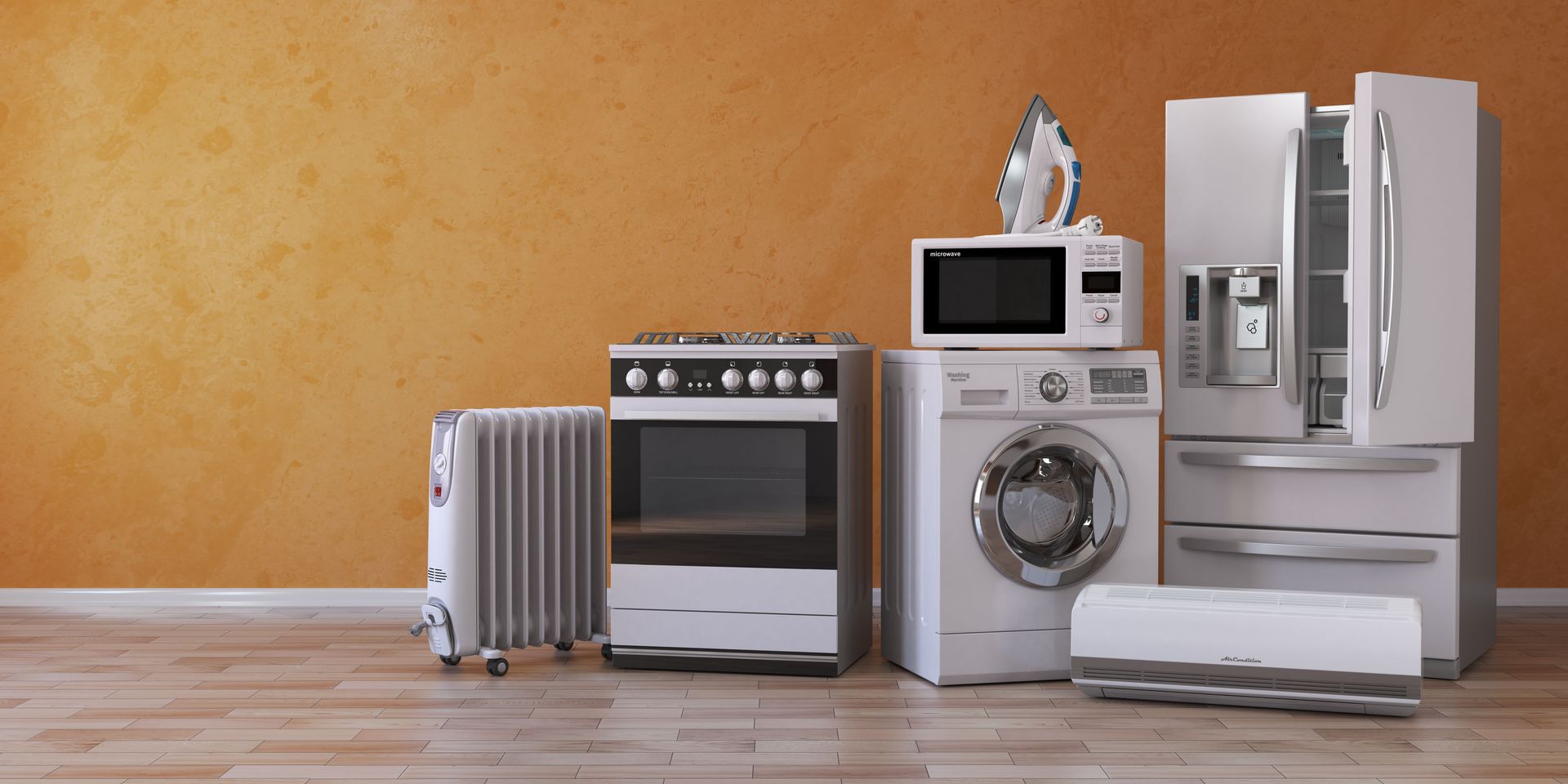
Appliances are essential for modern living, handling daily tasks that keep households running smoothly. From refrigerators and ovens to washers and dryers, these machines save time and effort. However, when an appliance malfunctions, it can disrupt daily routines and lead to stress. Knowing when and how to perform appliance repair can save homeowners both money and frustration. This guide covers essential factors for appliance repair, including cost considerations, lifespan, maintenance, efficiency, problem severity, and tips for finding reliable local repair services.
1. Cost Considerations in Appliance Repair
Cost is often the first factor homeowners consider when facing a malfunctioning appliance. Minor repairs like replacing worn parts or fixing leaks can often be completed at a fraction of the cost of a new unit. Major repairs, however, may require specialized components, which can increase expenses. Gathering multiple quotes from reputable technicians can provide clarity and ensure a fair price for appliance repair services.
Hidden costs may also affect the decision. Appliance repair can require not only parts but labor, sometimes including emergency service fees. Additionally, repair delays can lead to temporary inconveniences, such as needing to use alternative appliances or going without certain functions. Being aware of all potential costs upfront helps homeowners plan and budget effectively.
High-value appliances, such as premium refrigerators or commercial-grade ovens, often justify investing in professional appliance repair. These appliances are designed for longevity and advanced performance, and repairing them can maintain their efficiency and value. Conversely, older, low-cost, or less reliable appliances may not warrant extensive repairs, especially if parts are hard to source.
2. Understanding Appliance Lifespan and Durability
Knowing the average lifespan of your appliances provides context for repair decisions. According to Bob Vila, ovens can last up to 15 years, illustrating that proper maintenance and timely repairs can significantly extend appliance life. Other appliances, like refrigerators and washing machines, typically last 10–12 years with regular care. Understanding these benchmarks helps homeowners prioritize appliance repair for units that still have considerable useful life.
Regular maintenance plays a vital role in prolonging lifespan. For example, cleaning refrigerator coils, checking seals, and inspecting washers for worn hoses can prevent major malfunctions. Preventive appliance repair minimizes unexpected breakdowns, ensuring consistent performance and protecting long-term investment.
Older appliances may begin to show signs of wear, such as decreased cooling efficiency in refrigerators or uneven washing cycles in washers. Recognizing these warning signs allows homeowners to schedule appliance repair proactively rather than reactively, which can prevent more expensive problems later.
3. Energy Efficiency and Environmental Considerations
Energy efficiency is a significant consideration when performing appliance repair. Older appliances often consume more electricity or water than newer models, leading to higher utility bills. Repairing components such as worn motors, leaking seals, or malfunctioning thermostats can restore some efficiency and reduce energy consumption.
Modern appliances are designed to meet stricter environmental standards, but maintaining older units through appliance repair can reduce unnecessary waste. Extending the life of existing appliances prevents them from ending up in landfills prematurely. In cases where the repair significantly improves energy efficiency, homeowners benefit from both environmental and financial advantages.
Homeowners should compare the energy consumption of repaired appliances with potential upgrades to gauge the long-term impact. Even small improvements, such as fixing a leaky dishwasher door or replacing a worn refrigerator gasket, can save money and reduce environmental footprint over time.
4. Identifying the Severity and Frequency of Issues
Not all appliance problems are equal, and identifying the severity is crucial for effective repair. Minor issues, such as squeaky motors, clogged vents, or faulty sensors, can often be repaired quickly and inexpensively. More serious problems, such as electrical failures, water damage, or major mechanical breakdowns, may require professional appliance repair and specialized tools.
Frequent malfunctions are also a key indicator that professional attention is needed. Appliances that break down repeatedly may benefit from a thorough inspection and repair plan to address underlying issues rather than recurring minor fixes. Scheduling regular maintenance can prevent these chronic problems and ensure consistent operation.
Some warning signs include unusual noises, leaks, inconsistent performance, or visible wear. Recognizing these early allows homeowners to schedule appliance repair before a minor issue escalates into a costly emergency.
5. Convenience and Time Considerations
The convenience of appliance repair is often overlooked. Scheduling repairs, waiting for parts, and coordinating technician visits can affect household routines. Homeowners should consider how long they can go without a functional appliance and plan accordingly. For example, a broken refrigerator or oven may require temporary solutions such as using coolers, microwaves, or alternate cooking appliances during the repair period.
Professional appliance repair services often provide same-day or next-day service, but parts availability can sometimes delay repairs. Planning and keeping a trusted local repair service on hand reduces disruption and ensures faster resolution when problems occur.
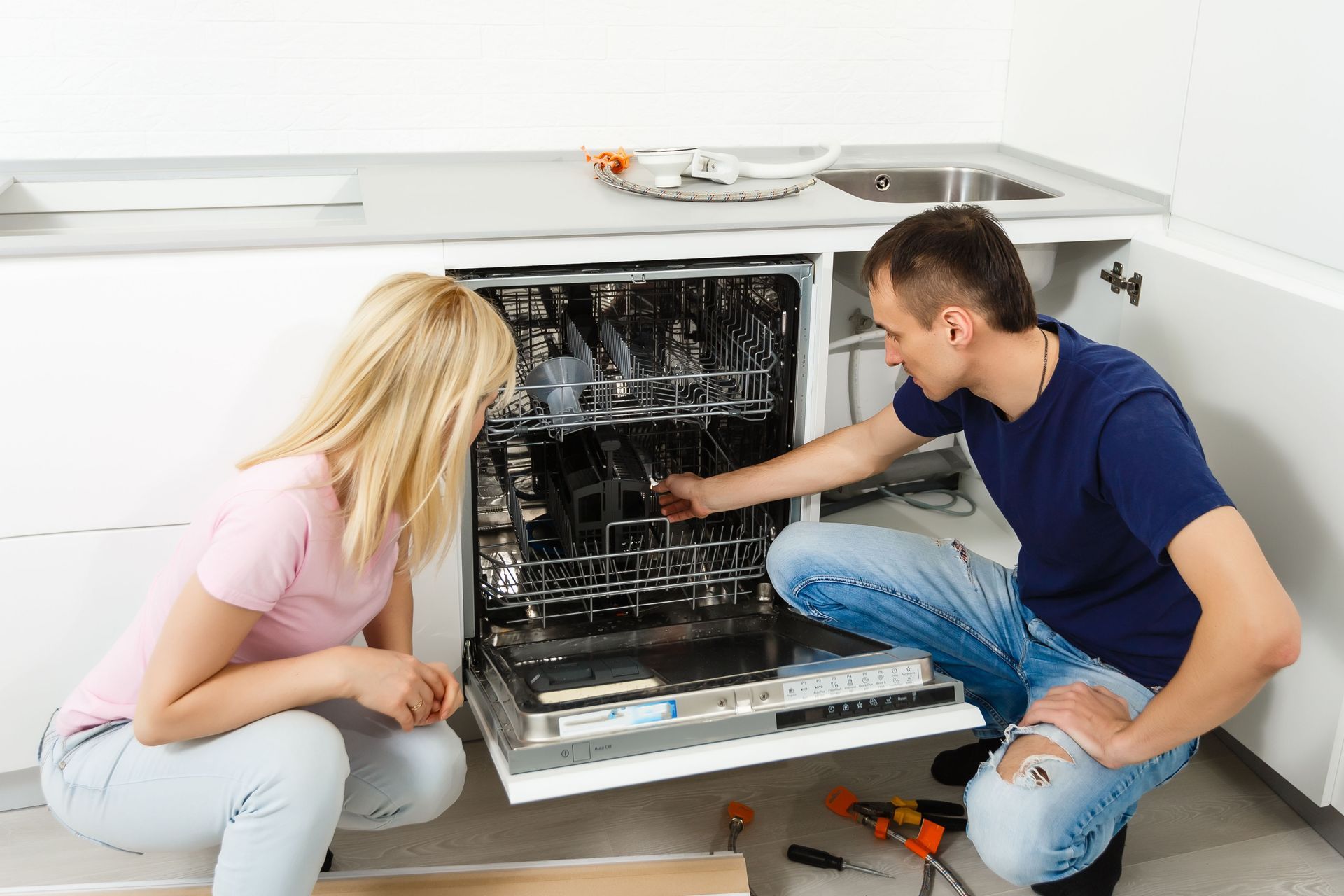
DIY appliance repair may save money on labor costs, but can also introduce risks if proper procedures are not followed. Understanding the time commitment and potential challenges of self-repair is important when deciding whether to hire a professional technician.
6. Tips for Maintaining Appliances and Reducing Future Repairs
Routine maintenance is the most effective way to minimize the need for appliance repair. Simple tasks such as cleaning refrigerator coils, descaling coffee machines, replacing dishwasher filters, and checking washing machine hoses can prevent common issues. Regular inspections also help identify small problems before they require expensive repairs.
Keeping a maintenance schedule ensures that appliances perform at their best and last longer. Homeowners should consult manufacturer manuals for recommended service intervals and follow guidelines for safe operation. Preventive appliance repair, combined with proper usage, extends the lifespan of major home appliances.
Documenting repairs and maintenance history can help future technicians quickly diagnose issues. This record provides insight into recurring problems and allows for more accurate planning of appliance repair schedules.
7. Finding Reliable Local Appliance Repair Services
Choosing a trustworthy technician is essential for successful appliance repair. Homeowners should look for licensed and insured repair services with positive reviews. Local repair companies often provide faster response times and familiarity with commonly used appliance brands. Recommendations from neighbors or community forums can also help identify reliable service providers.
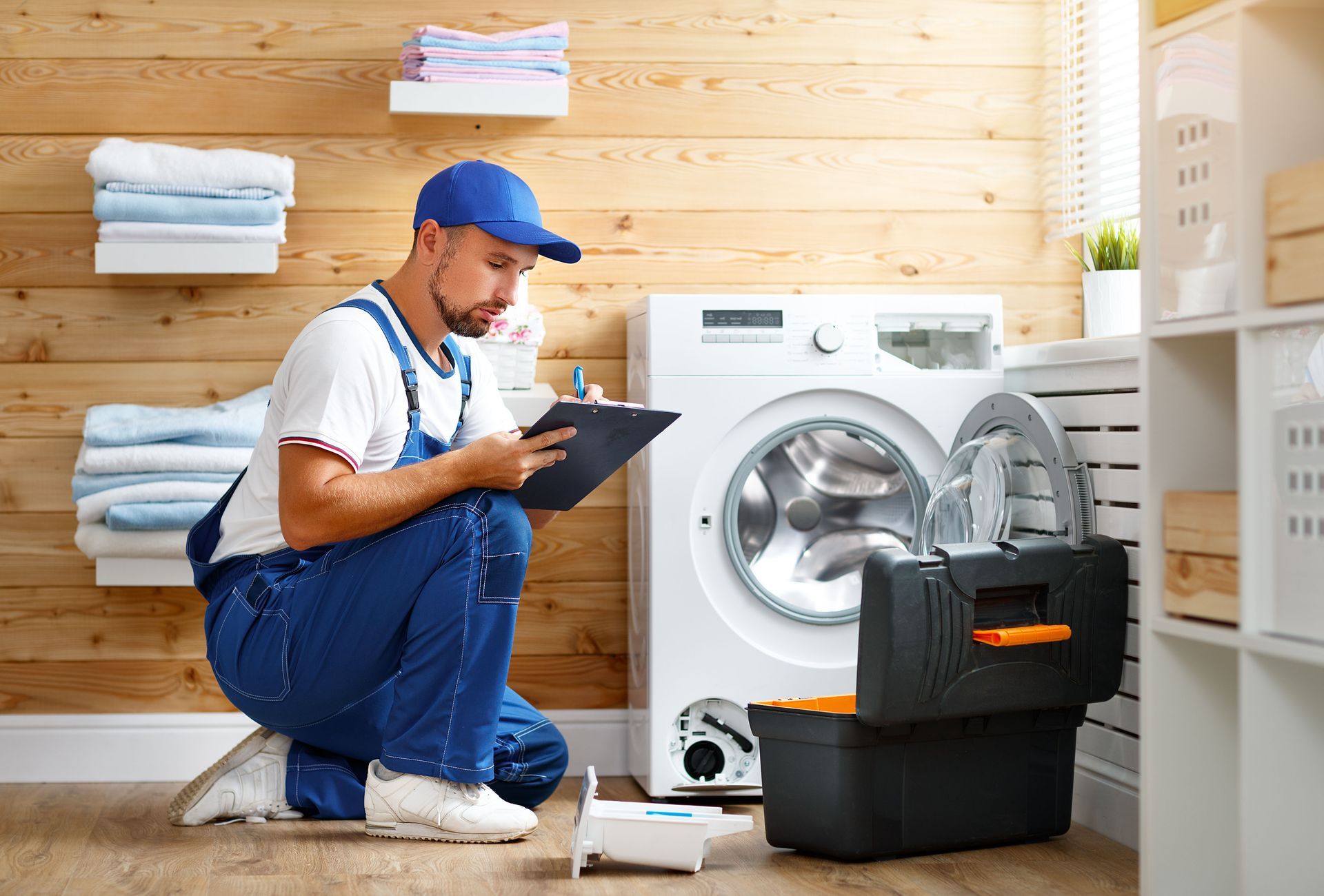
Professional appliance repair technicians bring expertise, specialized tools, and access to manufacturer parts. This ensures that repairs are safe, effective, and lasting. Consulting multiple service providers allows homeowners to compare quotes, turnaround times, and warranty options for peace of mind.
Emergency appliance repair services are especially valuable for urgent situations, such as malfunctioning refrigerators, ovens, or HVAC units. Keeping a list of trusted local technicians ensures that help is available when problems arise.
8. Using Online Resources and Tools
Online resources can complement professional guidance for appliance repair. Review sites, forums, and manufacturer guides provide troubleshooting tips, common fixes, and expected repair costs. Many platforms also offer interactive tools to estimate repair expenses and energy savings from proper maintenance.
Engaging with online communities helps homeowners understand common issues with specific appliance models. Combining these insights with professional appliance repair services enhances decision-making and ensures that repairs are timely and cost-effective.
Appliance repair is a vital part of maintaining a functional and efficient home. By considering costs, lifespan, energy efficiency, issue severity, convenience, and available resources, homeowners can make informed decisions that extend the life of their appliances and minimize unexpected breakdowns. Regular maintenance, professional service, and attention to warning signs reduce the likelihood of major malfunctions and keep daily life running smoothly. Effective appliance repair not only saves money but also promotes a sustainable and well-managed household. Investing time and care into appliance repair ensures that your home remains comfortable, efficient, and reliable for years to come. For more information, contact Metro Appliance today.